
There’s a quiet charm in the way a South Indian bride begins her wedding day. The moment she drapes her silk saree, it’s as if generations stand with her—mothers, grandmothers, and the stories they passed down.
Anyone who has held a true South Indian bridal dress knows its depth. The silk feels warm, the Zari has a certain weight, and the colours carry memories of family traditions and regional roots. I’ve seen brides pause for a second when they find the right saree—whether it’s a grand Kanchipuram or a simple yet dignified Mysore silk—because it feels familiar, almost like something they were always meant to wear.
South Indian weddings celebrate community, family, and heritage, and the bridal dress sits at the heart of it all. With this guide, we’ll focus on the fabrics, styles, and choices that shape the look of a South Indian bride, from timeless classics to modern picks.
The Essence of a South Indian Bridal Dress
The Cultural Significance in South Indian Weddings
If you’ve ever attended a South Indian wedding, you’ll notice that the bridal saree is never just “clothing.” It’s a quiet extension of the culture itself. Each region—whether Tamil Nadu, Karnataka, Andhra Pradesh, or Kerala—has its own way of presenting a bride, and those differences appear in the colours, fabrics, and motifs she chooses.
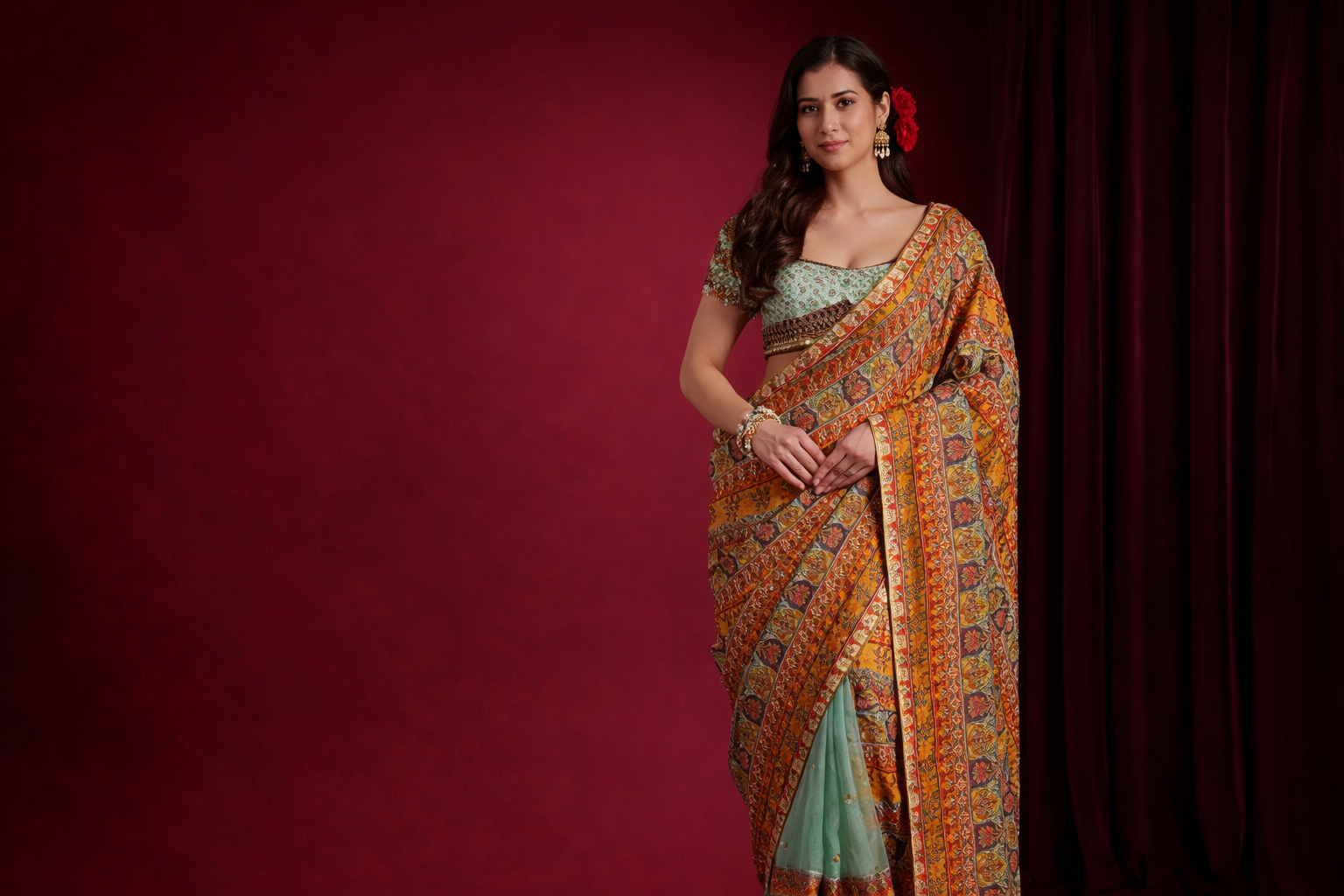
A Tamil bride often leans toward deep maroons, rich reds, or bold mustard tones—shades that have been favoured for generations because they represent prosperity and strength. In Kerala, the Kasavu saree with its off-white body and gold border reflects a simpler and softer interpretation of bridal elegance. Brides from Karnataka or Andhra Pradesh usually gravitate toward jewel tones—emerald, ruby, peacock blue—echoing the grandeur of old temples and royal heritage.
Even the motifs are rooted in stories. Temple borders, checks, mango patterns, and peacocks aren’t random choices; they come from centuries of weaving traditions tied to blessings, fertility, and celebration. Essentially, a South Indian bride doesn’t just pick what “looks good.” She chooses symbols and colours that carry meaning for her family and her community.
Key Elements of Traditional Bridal Wear
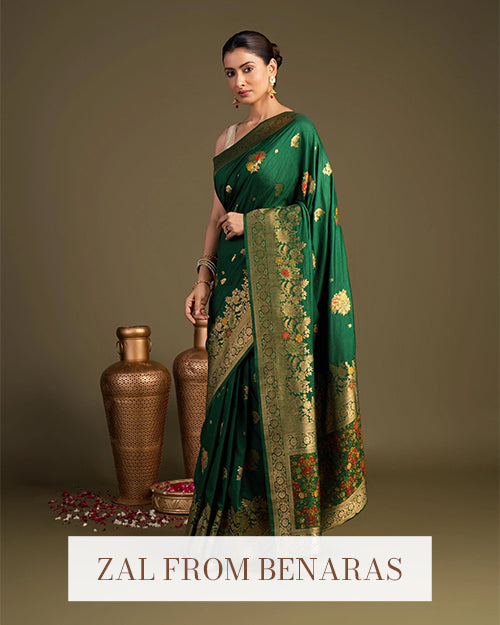
Silk sarees are always the foundation. A wedding morning in South India feels incomplete without the rustle of pure silk. Whether it’s a Kanjeevaram, Mysore silk, or a classic Banarasi that’s been adapted into the look, silk has remained the trusted fabric across generations. It drapes with dignity, holds structure beautifully, and photographs with a richness that no other fabric quite matches.
Zari work and temple motifs are the soul of these sarees. The way the gold thread catches the light—especially during the early morning muhurtham—adds a sense of occasion. Borders with temples, elephants, or traditional patterns aren’t chosen for show; they’re part of an old weaving language that South Indian brides still respect today.
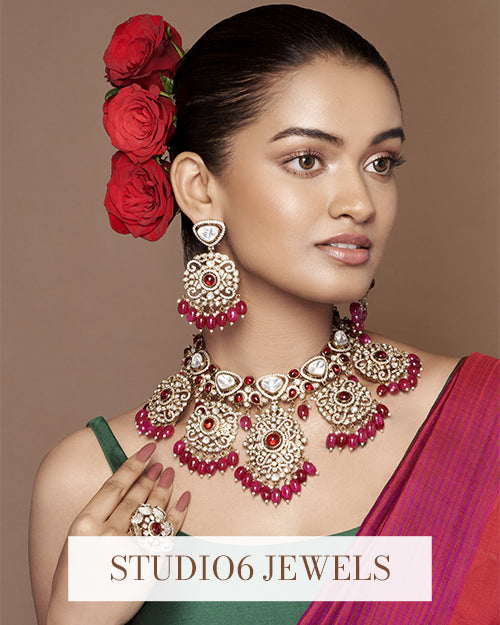
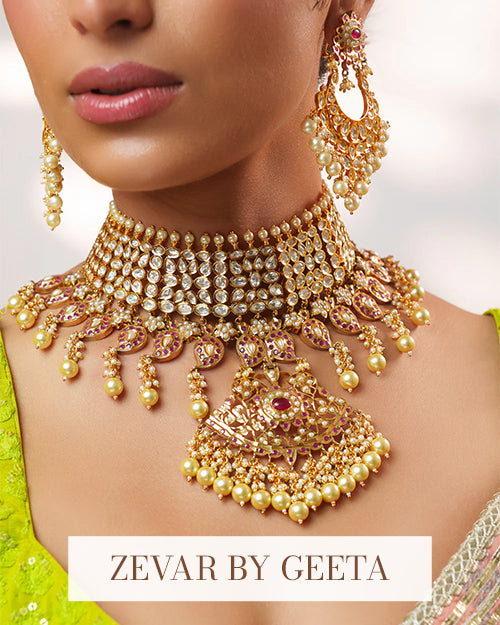
And then there’s the jewellery—layering is almost a tradition in itself. Long harams, short necklaces, waist belts, bangles, vanki armlets… everything works together to frame the saree. The jewellery doesn’t overpower the outfit; it completes it. A South Indian bridal look always feels like many elements coming together seamlessly—silk, gold, colour, and heritage—all in perfect balance.
Iconic Saree Types Worn by South Indian Brides
Kanchipuram Sarees (Kanjeevaram Silk Saree)
Kanchipuram sarees have a presence that’s hard to ignore. Even before you unfold one, the weight of the silk and the deep, saturated colours hint that it’s meant for a special moment. They’ve remained the top choice for South Indian brides simply because nothing else carries the same level of richness. The fabric is strong, the colours stay vibrant for years, and the saree has a certain stately look that suits wedding rituals perfectly.
The weaving itself is a world of tradition. Each saree is crafted on handlooms in Tamil Nadu’s Kanchipuram town, where weavers have passed their skills down for generations. You’ll find temple borders that look like miniature sculptures—gopurams, elephants, peacocks, and classic motifs woven in pure Zari. When the light hits the Zari work, it brings the saree to life, making it look grand without trying too hard. Many brides choose Kanchipuram for this exact reason—it promises elegance that doesn’t fade.
Banarasi Silk Saree
While Banarasi sarees come from the North, their popularity has grown steadily in South India. Brides are drawn to their delicate patterns, lighter feel, and the way the saree moves—graceful, fluid, and slightly different from the heavier South Indian silks they grew up seeing.
The interesting part is how brides merge Banarasi designs with classic South Indian bridal style. Some choose traditional South Indian jewellery with a vivid Banarasi saree to get a blend of two cultures. Others drape it in the South Indian style to keep the regional touch intact. It’s become a favourite for receptions or engagement ceremonies because it brings something fresh while still feeling connected to Indian bridal traditions.
Kasavu Saree
The Kasavu saree stands at the opposite end of the spectrum—simple, grounded, and beautifully minimal. This is Kerala’s signature bridal saree, known for its off-white body and striking gold border. It doesn’t try to compete with heavy colours or detailed motifs; its elegance lies in its restraint.
For brides who want a clean and traditional look, the Kasavu is unbeatable. The gold border carries cultural meaning, symbolizing purity and auspiciousness—two things that hold deep significance in Kerala weddings. When paired with temple jewellery, jasmine flowers, and a soft makeup look, the Kasavu saree creates a bridal appearance that is both understated and deeply rooted in tradition.
Mysore Silk Saree
Mysore silk has a charm that’s warm and effortless. It’s the saree you choose when you want something elegant but not overwhelming. Brides often pick it for pre-wedding functions or even the main ceremony if they prefer comfort without sacrificing beauty.
The lightweight texture makes it easy to drape, and the colours are usually rich yet smooth—emerald green, ruby red, royal blue, and mustard are among the favourites. Because the saree is so fluid, it falls beautifully and gives a neat, polished silhouette. Brides often pair it with minimal Zari borders or subtle patterns to keep the look refined. Whether worn in the classic Nivi style or regional drapes, Mysore silk always manages to look graceful without adding too much weight or fuss.
Modern Alternatives to the Traditional South Indian Bridal Dress
Lehenga Choli for South Indian Brides
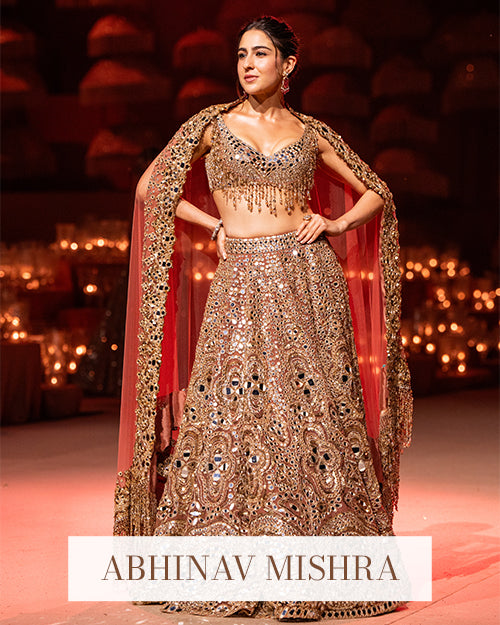
While sarees remain the heart of South Indian weddings, many brides now look toward lehenga cholis when they want something lighter, more contemporary, or simply different from what their mothers and grandmothers wore. It usually happens during receptions, sangeet nights, or even the engagement ceremony—moments when the bride wants room to move freely, pose confidently, and enjoy the celebrations without constantly adjusting pleats.
What’s interesting is that South Indian brides don’t pick just any lehenga. Their choices still echo the region’s taste—deep jewel tones like ruby, emerald, and temple-inspired gold. Many go for embroidery that feels familiar: Zari borders, lotus motifs, peacock designs, or intricate threadwork that reminds you of traditional saree weaves. Even when the silhouette changes, the cultural touch stays. Some brides even pair their lehengas with South Indian jewellery—oddiyanam belts, heavy chokers, or long harams—creating a beautiful blend of modern outfit and classic styling.
Fusion Bridal Wear
Fusion wear has become a quiet favourite among brides who want tradition without the formality of a full bridal saree. The most popular choice is the saree-gown—a single-piece outfit that captures the essence of a drape without the hassle of pleating or pinning. It flows, fits, and moves like a gown but carries the familiar silhouette of a saree. These are especially loved for receptions or photo shoots, where brides want a more relaxed yet polished look.
Another trend is modern drapes using traditional silk fabrics. Some brides take a Kanchipuram or Banarasi piece and style it in contemporary ways: pre-stitched pleats, cape-style pallus, belt drapes, or structured blouse designs. It’s still the same silk their families value so much, just presented in a way that suits today’s taste.
These alternatives don’t replace the traditional bridal saree—they simply give South Indian brides more room to express their personality. Whether it’s the ease of a lehenga or the creativity of fusion wear, modern brides are finding their own balance between heritage and individuality.
How To Choose the Perfect South Indian Wedding Dress
Factors to Consider
Selecting a South Indian wedding dress isn’t just about finding something beautiful—it’s about choosing something that feels like you. Brides often start with the fabric because it sets the entire tone. Silk sarees—especially Kanchipuram—are the classic choice, known for their strength, shine, and the way they hold structure. If you prefer something lighter but still traditional, Mysore silk is gentle on the skin and easy to manage, especially during long ceremonies. On the other hand, if you love the drama of bold borders and shimmering threads, a saree with heavy Zari work brings that ceremonial richness.
Colour, too, is guided heavily by regional traditions. Tamil brides usually lean toward deep reds, mustard, or maroon, colours that represent strength and auspiciousness. Telugu brides often prefer brighter jewel tones—greens, pinks, and blues with strong gold contrasts. Kannada weddings welcome royal shades like purple and deep blue, while Malayalam brides gravitate toward softer tones such as off-white and gold, inspired by the timeless Kasavu palette. These preferences aren’t rules, but they shape the visual identity of each region and help brides stay connected to their roots.
And then comes the balance every bride thinks about: comfort vs grandeur. A saree that looks breathtaking but feels heavy can make the day harder than it needs to be—especially with early morning rituals and hours of movement. At the same time, selecting something too light might not give you that distinct “bridal presence.” Finding something that offers both dignity and ease is what most brides aim for, and that’s where thinking about weight, drape, and fabric texture becomes essential.
Styling Tips for South Indian Brides
Styling a South Indian bridal dress is almost an art of its own. Jewellery plays a big role, and it needs to be matched thoughtfully with the saree. A rich Kanchipuram saree with broad temple borders sits beautifully with traditional gold—long harams, chokers, vanki armlets, and waist belts that highlight the saree’s structure. For Banarasi silks or lighter Mysore sarees, brides often choose jewellery that’s slightly more refined: antique gold, ruby-and-emerald sets, or pieces with subtle detailing so the outfit doesn’t feel crowded.
Hairstyles carry tradition too. A Tamil bride’s classic full braid adorned with jasmine never fails—it frames the saree and jewellery perfectly. For heavier sarees, brides often prefer structured buns to keep the look balanced and the weight manageable. Lighter silks or fusion drapes pair well with softer styles—half-up hair, looser braids, or even floral wreath buns. The idea is to choose a hairstyle that complements the drape and adds harmony to the overall look.
South Indian Bridal Dress Shopping Guide
What to Look for When Buying Bridal Sarees
Buying a South Indian bridal saree is about more than just picking a colour you like—it’s about investing in something that will last a lifetime, both in memory and in fabric. First and foremost, authenticity matters. Genuine Kanchipuram, Mysore, or Banarasi silks are handwoven, with subtle details that machine-made alternatives often miss. A quick touch and inspection usually reveal the difference—the fabric feels substantial yet soft, and the weave is tight and consistent.
Silk mark certification is another key check. This small label can be the difference between a saree that will maintain its shine for decades and one that fades or frays quickly. Alongside the silk itself, the Zari work deserves careful attention. True Zari threads, often real gold or high-quality metallic yarn, have a sheen that doesn’t tarnish easily and a texture that integrates seamlessly into the weave.
Popular Choices in Indian Wedding Dresses for South Indian Brides
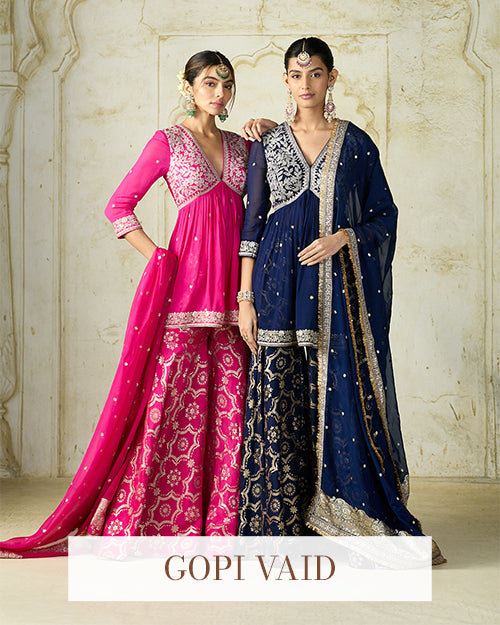
While the traditional bridal saree dominates, modern brides sometimes branch out. Lehenga cholis are increasingly popular for receptions, sangeet nights, or engagement ceremonies, offering a lighter, easier-to-manage alternative while still embracing the colours and motifs of South Indian culture. Some brides also opt for Banarasi silk sarees during pre-wedding or reception events—they’re lighter than Kanchipuram, have intricate patterns, and blend well with South Indian jewellery and styling.
Online Search Behaviour
Shopping for a bridal saree isn’t confined to stores anymore. Most brides begin their journey online, researching what’s trending, comparing prices, and discovering new styles. Autocomplete results often guide them—queries like “best Kanchipuram silk for weddings” or “Kasavu saree traditional look” appear before they even finish typing. Many are touch device users, scrolling through images, swiping between gallery views, and watching short video clips of saree drapes or unboxings.
-
Note: Brides also check reviews, read styling tips, and watch tutorials on draping or pairing jewellery. Understanding these patterns helps both retailers and brides: it’s all about convenience, inspiration, and confidence in choosing the right piece for one of the most important days of their lives.
Final Lookbook – South Indian Wedding Attire Inspiration
Traditional Bridal Saree Ideas
When it comes to traditional South Indian bridal sarees, the classics never fail. Think rich Kanchipuram sarees in ruby red or deep maroon, with bold gold temple borders that tell stories of heritage and devotion. A Kasavu saree with its soft off-white base and shimmering gold edge is perfect for brides seeking understated elegance, especially in Kerala weddings. Pairing these with layered gold jewellery, jasmine flowers in the hair, and the traditional braid creates a look that’s timeless and deeply rooted in culture. Even subtle motifs—peacocks, mango patterns, or temple designs—can elevate the ensemble, making it both ceremonial and memorable.
Modern Bridal Wear Styles
Modern brides are experimenting without leaving tradition behind. Lehenga cholis in deep jewel tones, embroidered with Zari-inspired patterns, give movement and ease while staying culturally aligned. Fusion saree-gowns or pre-stitched drapes offer a contemporary twist—brides get the look of a saree with the comfort of a gown. Lighter fabrics like Mysore silk or Banarasi silk allow for creative drapes and subtle detailing, perfect for receptions or photoshoots. These modern interpretations maintain the elegance of South Indian bridal attire while giving brides flexibility and comfort for their celebrations.
Classic South Indian Brides Lookbook
For brides who want to capture the essence of tradition, a classic lookbook is a helpful guide. Kanchipuram sarees with temple borders, Mysore silk in deep jewel tones, and Kasavu sarees with gold edging form the core wardrobe. Pair these with South Indian jewellery—harams, vankis, and waist belts—to complete the look. Hairstyles vary from long braids adorned with jasmine to soft buns with flowers, complementing each saree style. By mixing and matching fabrics, colours, and accessories, brides can create a personalized yet culturally resonant ensemble, ensuring they feel both beautiful and connected to their roots on the wedding day.
Final Summary
South Indian bridal dresses carry more than just style—they hold stories, family memories, and the little traditions that make weddings feel alive. Some brides fall in love with the deep, rich reds of a Kanchipuram saree, while others are drawn to the simple gold-bordered beauty of a Kasavu. Some prefer the light, flowing elegance of a Mysore silk, and others enjoy the freedom and flair of a modern lehenga choli. Every choice has its own character and connection to the day.
The key is to pick something that feels right for you—something that honors your culture but still lets your personality shine. When you find that balance, your bridal look isn’t just beautiful; it becomes a part of the wedding story, one you’ll remember for years to come.