Choosing the right saree for a wedding in Dhaka isn’t just about picking a piece of cloth — it's about choosing a symbol of heritage, tradition, and personal expression. In a city like Dhaka, where weddings are a grand celebration of culture and family, your saree plays a crucial role in making you feel confident, beautiful, and ready to celebrate love.
Let’s be honest, weddings in Bangladesh are all about making a statement, and the saree is at the heart of it all. Whether you’re the bride or a guest, picking the perfect saree involves much more than just following trends. It’s about understanding fabric, color, and draping techniques that reflect your style and comfort. But here’s the catch: so many blogs talk about the typical dos and don’ts of saree shopping, yet very few dive into the little things that actually make a saree stand out in the context of Dhaka’s vibrant wedding culture.
In this blog, I’ll take you through everything you need to know about choosing the perfect saree for a wedding in Dhaka. From the latest wedding saree trends for 2025 to the timeless silk vs. cotton debate, I’ll also share insights into picking fabrics, styles, and accessories you won’t read anywhere else. This isn't just another generic guide – it's a deep dive into the heart of Bangladeshi wedding fashion, helping you find a saree that’s more than just a piece of clothing, but a statement of who you are at one of the most special moments in life.
Understanding Saree Culture in Bangladesh & Dhaka Weddings
In Bangladesh, sarees aren’t just garments — they’re a rich tapestry of tradition, culture, and pride. And in Dhaka, weddings are one of the few occasions where the saree truly takes center stage. From the grandiosity of a bridal saree to the elegance of a guest’s ensemble, the saree speaks volumes about personal style, the celebration of marriage, and the preservation of cultural heritage.
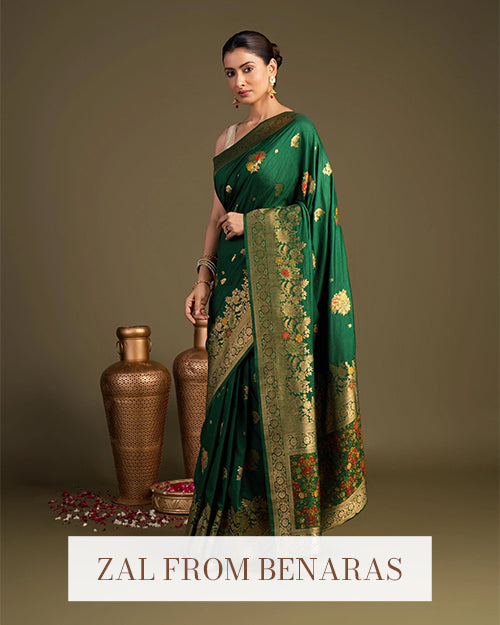
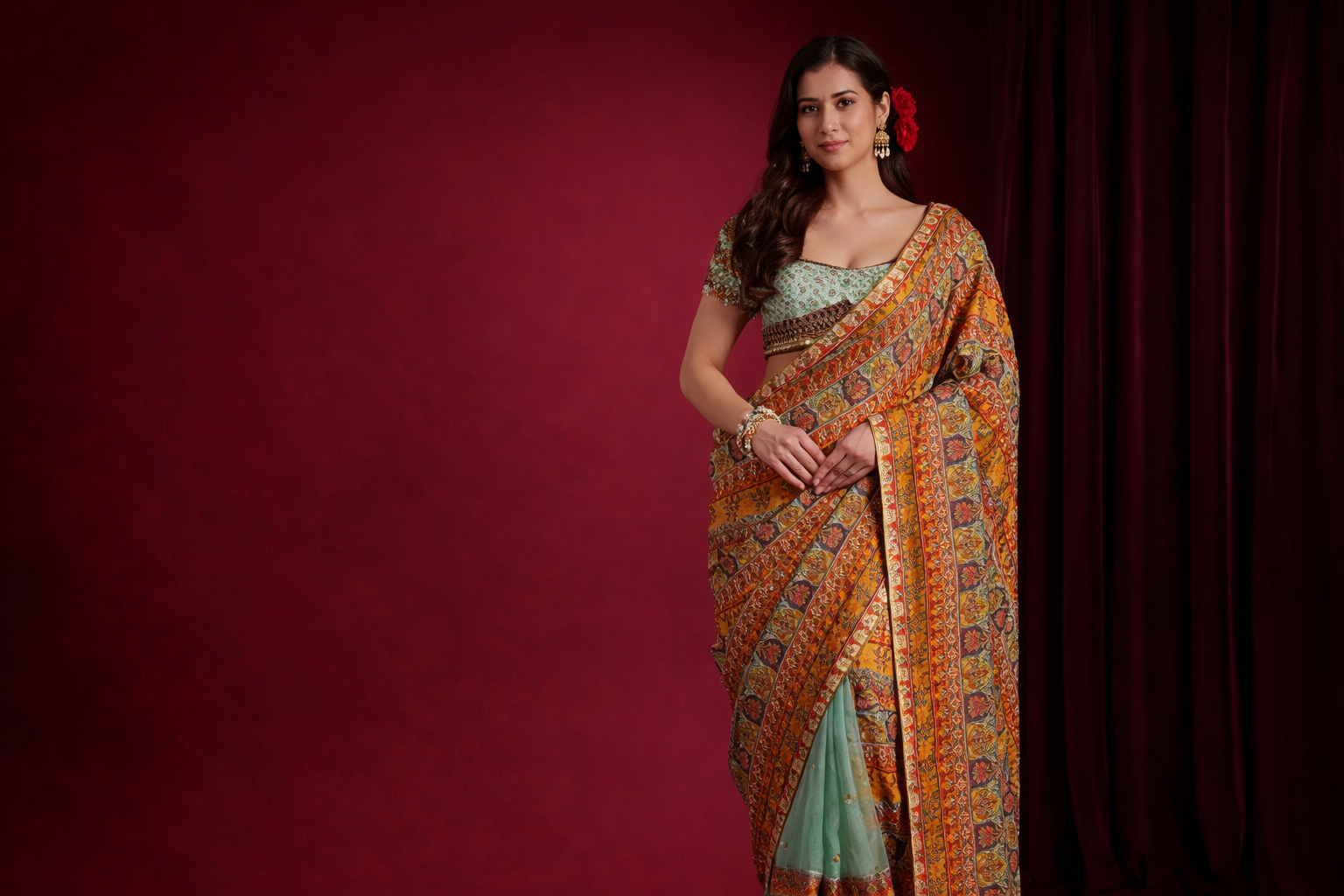
If you’ve ever been to a wedding in Dhaka, you’ll notice that sarees come in all shapes, sizes, and forms. But what makes them truly special is how they connect with the individual and reflect the personal tastes of the bride, groom, and their families. The bridal saree Bangladesh is often the most revered piece of clothing for the bride, typically made from luxurious silk, adorned with intricate embroidery, or perhaps handwoven motifs that tell a story of the family’s lineage.
But it’s not just the bride’s saree that steals the show. The wedding saree culture in Dhaka transcends beyond just the bridal party. Guests and relatives also take this opportunity to wear sarees that reflect a sense of tradition, style, and respect for the occasion. Whether it’s a saree in bold red hues or a pastel chiffon number, the diversity in choices is stunning. Dhaka is a city where sarees range from traditional gold-bordered silks to contemporary interpretations, often blending old-world charm with new-age aesthetics.
So, what is it that makes a saree stand out at a wedding in Dhaka? It’s the fabric, the cut, the drape, and, most importantly, how it makes you feel when you wear it. A wedding saree is not just about following the latest trends; it's about embracing a piece of history, wearing something that honors generations before you, and creating a new memory with every pleat.
This is why understanding the saree culture is so crucial when choosing the perfect wedding saree in Dhaka. It's not just about what looks pretty on the hanger, but how it fits into the bigger picture of the celebration — a living tradition that evolves with each wedding season.
Wedding Saree Trends 2025 — What’s Hot in Dhaka Right Now
If you’re hunting for the perfect saree for wedding Dhaka, 2025 has brought some really exciting shifts — blending heritage with sass, tradition with modern ease. Having kept an eye on both global and South‑Asian designer collections (like those at The Mahal Fashions), I’m seeing trends that are especially relevant for Bangladeshi weddings this season.
What’s trending this year
-
Dual-tone & half‑and‑half sarees
The trend of contrasting halves — where one part of the saree is silk and the other is woven differently (or a different color altogether) — is becoming wildly popular. At The Mahal Fashions, you’ll find options like a “Fuchsia Pink Half and Half Saree with Blouse” in their collection.This kind of saree works beautifully for wedding receptions or cocktail nights: it's elegant but playful, traditional yet fresh. -
Designer couture sarees for bridal and reception wear
For brides (or even fashionable guests), couture‑level sarees — sometimes with elaborate embroidery or unique draping styles — are gaining traction. -
Lightweight and fusion drapes — soft silk, organza & modern cuts
Gone are the days when heavy zari‑laden sarees ruled all functions. For evening receptions or pre‑wedding parties, lighter sarees — maybe organza or soft silk — are trending, offering comfort without compromising on charm. This shift makes sense especially for humid Dhaka weather and long wedding functions where comfort matters. -
Mix of tradition and modern minimalism — muted tones, pastels, and subtle embroidery
Not every wedding saree needs to scream “grand bride.” For daytime functions, mehendi ceremonies, or as a guest, subtle sarees in soft shades with minimal embellishment are trending. These pieces reflect a global fashion sensibility while still honoring cultural roots.
Why these trends matter — especially for weddings in Dhaka
-
Climate-friendly dressing: Dhaka’s humidity and unpredictable weather make heavy, layered garments uncomfortable. Lightweight and softer sarees allow one to stay elegant without sweating through the entire ceremony — a benefit many older blogs don’t emphasize.
-
Versatility for multiple events: A half‑and‑half saree or a softer drape lets the wearer transition from day functions to evening parties — handy because wedding celebrations in Bangladesh often stretch over multiple days and events.
-
Catering to modern sensibilities: Young brides and guests now appreciate fusion — a traditional saree with a modern silhouette, or minimalism over heavy ornamentation. It shows sophistication, and in 2025, that speaks volumes.
-
Balance of comfort and glamour: With heavier sarees, many women compromise either comfort or style. The trending soft silk/fusion sarees give you both — elegance for photos and comfort for hours of wear.
If you browse The Mahal Fashions (or similar designer boutiques), here’s what to look out for
|
Function/Event |
Saree Style to Consider |
|
Main wedding ceremony (traditional rituals) |
Rich, couture‑level sarees — possibly with embroidery, heavier silk or traditional weaves — for grandeur and photo‑worthy impact. |
|
Reception / evening party |
Half‑and‑half sarees, soft silk or organza drapes, possibly with subtle shimmer or designer blouse styles. |
|
Mehendi / daytime functions / casual wedding‑related events |
Light sarees in pastel or muted shades, minimal embellishments, breathable fabrics — perfect for humid weather and long hours. |
|
Guest outfits for any wedding event |
Fusion sarees — traditional cut with modern touches — for balanced elegance without going overboard. |
Recommended Sarees from The Mahal Fashions for Different Wedding Occasions
-
Black Silk Organza Crystal & Stone Hand Embroidered Saree Set — Perfect for evening parties, sangeet or cocktail nights. The silk‑organza base drapes beautifully, and the crystal/stone embroidery adds a glamorous sparkle that stands out under lights while remaining elegant.
-
Minty Summer Wedding Saree — Excellent for pre‑wedding events, daytime functions, or reception parties. Its half‑satin, half‑pleated design gives a fusion vibe — traditional at heart but easy to carry, especially in humid weather.
-
Onion Pink Pure Organza Silk Stripe Zari Saree — A lovely option for daytime wedding events, mehendi or bridal‑shower style gatherings. The organza silk gives a light, airy feel and the zari stripe adds subtle elegance — understated yet refined.
-
Peach Kora Organza Silk Banarasi Handloom Saree — Great choice if you want traditional handloom charm with wedding‑friendly elegance. The organza silk handloom weave ensures a graceful drape — perfect for weddings where you want to balance heritage and sophistication.
-
Black Satin Embroidered Saree Set — Ideal for sangeet nights or late‑night reception parties. The satin base paired with embroidery makes it chic and party‑appropriate, while maintaining a saree’s classic silhouette.
-
Ivory Georgette Saree with Embroidered Cape-Designer Wedding Wear — An elegant pick if you’re aiming for a modern‑traditional fusion look, perhaps for a reception or a rehearsal dinner. The combination of georgette saree and embroidered cape style gives a contemporary yet graceful vibe.
Silk Saree vs Cotton Saree — Which Fabric Is Right for Your Wedding Event
When you’re picking a “saree for wedding Dhaka,” one of the biggest decisions is fabric — especially whether to go with silk or cotton. Both have their strengths, and understanding them deeply can make the difference between a saree that feels right, and one that just looks right. Drawing from textile know‑how and real‑life wedding scenarios (some of which many blog posts skip), here’s how I see the silk vs cotton debate — and when each wins.
Why Silk Sarees Often Win for Weddings
-
Elegance, drape & “occasion look” — Silk sarees drape beautifully, giving a solid, graceful silhouette that instantly signals formality and glamour. That fluid drape — especially with heavier silk types — adds weight and structure, which suits formal ceremonies or evening receptions.
-
Richness and heritage appeal — Silk (especially well‑woven or zari‑bordered ones) brings a certain timelessness and grandeur. For a main wedding ceremony or traditional rituals, silk often conveys respect for heritage and aligns with cultural expectations for bridal or guest attire.
-
Visual impact in photos and décor-heavy settings — Weddings in Dhaka often involve vibrant lighting, decorations and long ceremonies. The sheen and texture of silk help the saree look radiant in photos and under lights — something lighter fabrics may not achieve as dramatically.
-
Longevity and heirloom value — A well cared-for silk saree can last decades, making it a worthy investment if you see the saree as more than just one‑event wear.
But here’s the trade‑off: silk sarees need careful draping, structured blouses, sometimes dry‑cleaning, and in humid climates like Dhaka’s, wearing heavy silk for long hours may get uncomfortable. Many blogs don’t stress this — but as someone who’s seen guests stepping out of a wedding looking beautiful but sweaty and uneasy, I know it matters.
When Cotton (or Light Fabrics) Make More Sense — Especially in Dhaka Weddings
-
Comfort and breathability — ideal for humid weather: Cotton sarees are lightweight, allow air circulation, and help keep you cooler in hot, humid conditions. For a city like Dhaka — where humidity can make heavy fabrics unbearable — cotton or lighter sarees can be a lifesaver, especially for daytime events or long ceremonies.
-
Versatility & low‑maintenance wear for daytime / casual wedding functions: If you’re attending a daytime event (mehendi, pagri, house‑warming, small family functions), cotton sarees or lighter blends offer understated elegance without overdoing it. They’re easy to drape, easy to care for — machine‑washable or gentle‑washable — and don’t demand special storage like silk.
-
Understated elegance — for minimalists or subtle aesthetics: Not every wedding event needs glamour. Sometimes a soft cotton saree — with modest embroidery or handloom weave — can convey simplicity and grace, especially if you pair it with minimal jewellery and light makeup. Many fashion-forward guests now prefer this subtle sophistication over loud opulence. This voice is often missing in mainstream “wedding-saree” content that pushes heavy silks by default.
-
Practical for repeat wear and value‑conscious buyers: Cotton sarees tend to be more affordable; you can reuse them for multiple events (weddings, festivals, family functions) without worrying too much about damage or delicate care.
🧵 Real-Life Considerations: What I Tell My Clients (and Self) Before Choosing
From my years writing and styling for Bangladeshi weddings, here are some often-overlooked but important considerations many ignore:
-
Match the fabric to the time of the event: For a mid‑day ceremony under sunshine or in non‑AC venues, cotton or lighter fabrics win. But for evening receptions, banquet halls or air‑conditioned venues — silk delivers that photogenic shine and festive mood.
-
Consider the duration of wear: Weddings here aren’t a couple‑hour affair. There might be rituals, photos, movement, dancing — sometimes for 6–8 hours or more. Cotton helps you stay comfortable; silk gives elegance, but only if you can manage drape and posture without fatigue.
-
Think about care and storage, especially if you’re buying pieces well in advance: Silk demands careful maintenance — dry cleaning, wrapping in muslin, protecting from humidity. In contrast, cotton gives flexibility: easier to wash, store and reuse. For younger brides or busy women who attend many functions, that practicality matters.
-
Don’t see silk and cotton as adversaries — think of them as complementary: A well-rounded saree wardrobe means having both — cotton for daytime events or comfort-first occasions; silk for grandeur, ceremonies, receptions. This flexibility ensures you’re never caught off‑guard regardless of event type.
Practical Tips: How to Pick the Perfect Saree for Different Wedding Occasions in Dhaka
Choosing the right saree for each wedding event in Dhaka can be overwhelming with so many styles, fabrics, and designs. But trust me, it doesn't need to be complicated if you know a few key tricks to align the right saree with the right occasion. Here's how I guide my clients — and how I’d suggest you pick your perfect saree based on the wedding events you'll be attending.
For the Main Wedding Ceremony — Go Grand, Go Bold
When it comes to the main wedding ceremony in Dhaka, you want to shine and feel special. This is your moment to wear a saree that speaks tradition, grandeur, and sophistication. For these events, silk sarees are often the best choice. Look for heavy silk or banarasi sarees, which have that majestic drape and texture that stands out in photos and during rituals.
-
Look for: Traditional weaves, zari work, intricate embroidery. Think bridal colors — red, maroon, gold, and deep emerald greens. These are colors that symbolize good luck, love, and prosperity in Bengali weddings.
-
Why it works: The silk drape captures the essence of traditional Bengali weddings and will stay wrinkle-free throughout the long ceremony. It’s a fabric that honors both the event and your role in it.
-
Bonus Tip: If you're wearing a bridal saree, make sure the blouse is tailored to perfection. A perfectly fitted blouse elevates the look and ensures you feel comfortable and secure.
For the Reception or Evening Party — Elegance Meets Glamour
The reception is often more relaxed than the formal wedding ceremony, but that doesn’t mean you should skimp on elegance. For an evening party in Dhaka, choose a designer saree that combines tradition with modern touches. This is the time to experiment with contemporary designs and fabrics. A half-and-half saree, with contrasting colors or mixed fabrics like silk and chiffon or organza, is a great choice.
-
Look for: Something lighter than the bridal saree but still stunning — peach, ivory, and pastel pinks are great options for a more understated glamour. If you want to go bolder, deep blue or burgundy is fantastic for evening events.
-
Why it works: The lighter fabric will keep you comfortable as you mingle and dance, while still ensuring you look photogenic and chic. Embroidered blouses or stonework add that modern sparkle without being too flashy.
-
Bonus Tip: Don’t forget the accessories! A statement necklace or long earrings can make all the difference in elevating your reception look.
For Mehendi or Pre-Wedding Functions — Comfort First, But Make It Stylish
For mehendi, sangeet, or bridal showers, you’ll want a saree that’s not only stylish but also comfortable enough to allow you to participate in the fun without feeling restricted. Here’s where a cotton saree or lightweight silk saree comes in handy. Go for softer fabrics that breathe — especially if the ceremony is outdoors or in warm weather.
-
Look for: Subtle but playful designs. Floral prints, pastels, and muted tones like mint green, peach, or powder blue work beautifully for these lighter, pre-wedding functions. Choose minimalist embroidery that still feels festive but won’t weigh you down.
-
Why it works: Comfort is key here. A lighter saree will allow you to move freely while still looking stylish. The focus should be on keeping it fresh and easygoing while staying true to the joyous occasion.
-
Bonus Tip: Pair your cotton saree with a fun, chunky bracelet or bangles that match the festive mood. Keep your makeup fresh and dewy to complement the breezy vibe.
For the After-Party or Post-Wedding Events — Chic and Trendy
Once the main wedding festivities are over, you might find yourself heading to after-parties or casual celebrations. This is the perfect time to experiment with fusion sarees or contemporary styles that blend the saree with a modern twist. A georgette saree with a cape or a designer saree with fringes is ideal for these more casual yet still glam events.
-
Look for: Styles that show off your personal taste, with modern drapes or interesting design elements like capes, fringe, or cutwork. You can play with bold colors like black, gold, or metallics — perfect for post-wedding celebrations that call for a little extra flair.
-
Why it works: These sarees are designed to stand out and make a statement. While they are stylish and bold, they are also comfortable for an evening of dancing and celebration. The fusion styles also allow you to show off your personal fashion sense while still honoring the cultural element of wearing a saree.
-
Bonus Tip: Pair with trendy high heels or platform sandals for a confident, fashionable finish.
For Guests — Elegant, but Not Overpowering
As a guest at a wedding, you want to strike the right balance between elegance and appropriateness. Cotton sarees or light silk sarees with subtle embellishments are a great choice for guests. These styles are refined but don’t compete with the bride’s grandeur. Choose something that allows you to shine while respecting the focus of the event.
-
Look for: Pastels, light gold, and cream are ideal. A cotton saree with light embroidery or a handloom weave is always a winner.
-
Why it works: You’ll be comfortable, stylish, and respectful of the event's tone. The lighter fabrics ensure you can attend the entire event without feeling weighed down.
-
Bonus Tip: Keep your accessories minimal and elegant — think small stud earrings, a delicate bracelet, and a matching clutch.
Final Thoughts: Picking the Right Saree for the Right Occasion
Wedding events in Dhaka vary in formality, length, and mood, so it’s crucial to have saree options that align with the occasion. Silk sarees are timeless and perfect for formal, traditional events. For more relaxed or daytime functions, cotton sarees offer comfort and elegance, without compromising style. The key is knowing when to lean into tradition and when to embrace modern twists that suit your personal style.
By following these tips, you can ensure that each saree you choose enhances your experience of the wedding, and allows you to enjoy the festivities in comfort and style.
Where to Find Designer & Bridal Sarees — Spotlight on High-End Wearables
Shopping for the perfect saree for a wedding in Dhaka can be both exciting and daunting, given the sheer variety of styles, fabrics, and designers available. But don’t worry — you don’t have to spend hours wandering through crowded markets or endlessly scrolling online. Instead, head to high-end stores or curated online boutiques that offer premium selections, like The Mahal Fashions, which provides a range of stunning bridal and designer sarees suited for every type of wedding event.
Why Opt for Designer Sarees?
-
Unique Designs: Designer sarees aren’t just about luxury; they’re about style and individuality. The intricate embroidery, perfect drapes, and exceptional fabric quality make these sarees stand out. A designer saree is often custom-made to fit perfectly, making sure it suits your body type and comfort level. For brides and wedding guests alike, designer sarees are the perfect way to flaunt a look that’s both personalized and unforgettable.
-
High-Quality Fabrics: From luxurious silks to soft organza and georgette, designer sarees use premium materials that guarantee both comfort and elegance. These fabrics also drape better, which is essential for that flawless saree look. Plus, you can be sure that the colors won’t fade, and the saree will remain in great condition even after multiple uses.
-
Timeless Appeal: A well-chosen designer saree is timeless. Even if you’re buying it for a wedding, this piece can easily be worn for other special occasions, making it a smart investment.
Saree Collections at The Mahal Fashions
If you’re looking for exclusive, high-end sarees that cater to both modern trends and traditional wedding styles, The Mahal Fashions is one of the go-to destinations. Here's why:
-
Exclusive Bridal Collection: From the vibrant red bridal saree to more subtle pastel hues or multi-toned options, The Mahal Fashions showcases a variety of bridal sarees perfect for your special day. Their pieces feature traditional handwoven designs, intricate embroidery, and the perfect blend of materials that make these sarees both chic and luxurious.
-
Example: A silk handloom bridal saree with gold zari work, ideal for a traditional wedding ceremony.
-
Sarees for Reception & Evening Parties: If you're attending the reception or post-wedding events, you’ll find plenty of modern, designer sarees here that mix contemporary fabrics with traditional draping techniques. Whether it’s a half-and-half saree or a designer saree with cape drapes, there’s something for every personality.
-
Example: The minty summer wedding saree blends silk and pleated chiffon in a stunning half-and-half design, perfect for evening functions.
-
Fusion Sarees for Modern Brides and Guests: The Mahal Fashions’ collection is known for fusion sarees that blend both traditional and modern elements. These sarees often come with contemporary drapes, designer blouses, and creative twists on fabric mixing — a nod to modern sensibilities while maintaining the essence of the saree.
-
Example: The black satin embroidered saree is perfect for a post-wedding celebration or a trendy cocktail party.
-
Light, Comfortable Options: Even in high-end collections, comfort is a priority. The Mahal Fashions offers sarees in light georgette, organza, and cotton blends — fabrics that not only look stylish but allow you to move freely, which is key for a long wedding day.
-
Example: The onion pink pure organza silk stripe zari saree is perfect for those who want elegance without sacrificing comfort.
Why Shop Online for Designer Sarees?
Shopping online at places like The Mahal Fashions has its advantages, especially when you're looking for that perfect saree. Here's why:
-
Convenience: Shopping from the comfort of your home, browsing through curated collections, and selecting based on style, color, fabric, and occasion can save you a lot of time. You can compare different looks and styles without the pressure of salespeople or crowded shopping areas.
-
Wide Range of Choices: Unlike local boutiques, online stores tend to have a broader selection, from high-end bridal collections to modern party sarees. Online stores like The Mahal Fashions update their collections regularly, giving you access to the latest trends in wedding sarees.
-
Customizable Options: Many online boutiques offer customization services — you can modify blouse designs, request specific embroidery styles, or select fabrics that suit your taste. If you have specific preferences, the ability to customize your saree is a huge advantage.
Final Thoughts: A Saree That Speaks to You
Finding the perfect saree for a wedding doesn’t have to be stressful. Whether you’re the bride or a guest, make sure to consider the fabric, fit, and design that speaks to your personal style and comfort. Designer sarees like those at The Mahal Fashions offer something for everyone, from the traditional bride to the fashion-forward guest. Take your time to explore various styles and brands, and you’ll undoubtedly find a saree that makes you feel beautiful, confident, and ready to celebrate the magic of a Bangladeshi wedding.
Checklist: What to Ask Before Buying Your Wedding Saree in Dhaka
Before you finalize a saree — whether from a boutique, online store, or showroom — there are certain checks and questions you should run through to make sure you’re getting value, comfort, and suitability for the occasion. From my experience — and also drawing on general saree‑buying wisdom — here’s a practical checklist every bride or guest should use when picking a “saree for wedding Dhaka.”
Final Advice
Choosing the perfect saree for a wedding in Dhaka is more than just picking a pretty outfit — it’s about honoring tradition, embracing personal style, and ensuring comfort throughout a long day or evening of celebrations. As we've discussed, the saree you select should align with the type of wedding event, your body type, your comfort level, and the overall vibe of the function. Whether it’s a traditional bridal saree or a contemporary fusion look, the key is to balance style, comfort, and cultural significance.
From the luxurious silk sarees for the main wedding ceremony to the light cotton sarees for daytime events, every fabric has its place in the wedding festivities. The trends for 2025 are clear: fusion, elegance, and practicality are taking center stage, with half-and-half sarees, lighter silks, and minimal embroidery making waves across Dhaka’s wedding scene. But remember, while trends are important, the most essential factor in choosing your saree is how it makes you feel — confident, radiant, and ready to celebrate.
Don’t forget to consider the practical aspects: fabric choice for the weather, fit, and durability, especially if you plan to wear your saree to multiple events. Take your time, ask the right questions, and don’t rush into a decision. A saree is an investment — it’s something you’ll look back on in photographs and memories for years to come.
Finally, whether you’re a bride, a bridesmaid, or a guest, remember: the saree is more than just an outfit. It’s a piece of art that carries with it centuries of tradition, craftsmanship, and love. Choose one that makes you feel your best, and enjoy the celebrations to the fullest!